
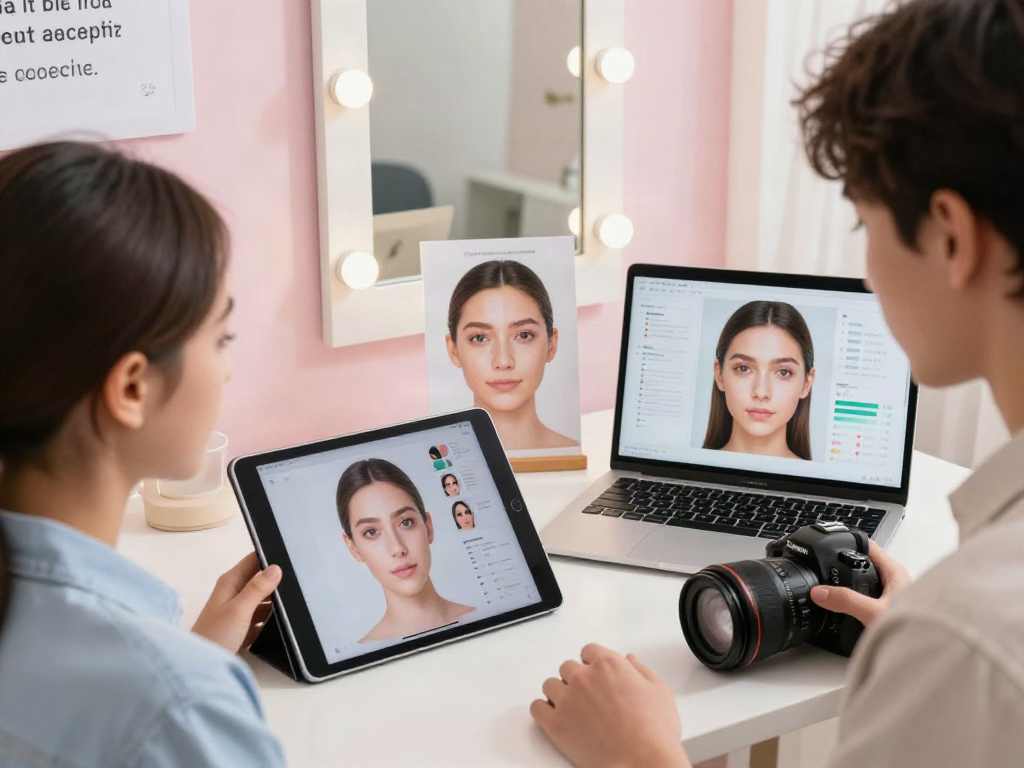
Understanding the Test of Attractiveness
The quest to understand personal beauty has transcended cultures and centuries, giving rise to modern tools capable of assessing attractiveness in a fascinating way. One of the most significant advancements in this field is the test of attractiveness, which leverages artificial intelligence to analyze facial features and provide users with a score representing their attractiveness. This article delves into the complexities of attractiveness testing, exploring its implications and the science behind it.
What is the Test of Attractiveness?
The test of attractiveness refers to a range of digital assessments designed to evaluate a person's physical appeal through various metrics. These tests often require users to upload a photograph, which is then analyzed using algorithms that measure characteristics such as facial symmetry, proportions, and adherence to beauty standards, often rooted in what is known as the golden ratio. The resulting score provides a quantitative measure of attractiveness, which can be intriguing for those seeking an understanding of how they are perceived by others.
How Digital Tools Enhance Beauty Assessment
In recent years, the advent of artificial intelligence and machine learning has transformed the beauty assessment landscape. Digital tools now allow for the analysis of facial structures in real-time, evaluating thousands of data points, such as distance between facial features and angular relationships. This technological integration offers a more nuanced approach to beauty assessment, moving beyond subjective opinions and allowing individuals to gain insights based on data-driven evaluations.
Common Misconceptions About Attractiveness Tests
Despite the growing popularity of attractiveness tests, several misconceptions persist. Many individuals believe these tools can provide definitive judgments of beauty. However, it is essential to recognize that attractiveness is highly subjective and culturally influenced. Tests can offer insights based on predefined metrics, but they should not be viewed as absolute measures of worth or desirability. Additionally, results can vary significantly across different platforms, leading users to question the reliability of these assessments.
Factors Influencing Attractiveness Scores
The Role of Symmetry in Beauty
Facial symmetry has long been regarded as a critical factor in assessing beauty. Studies have shown that faces exhibiting higher symmetry are often perceived as more attractive. This preference is believed to be rooted in evolutionary biology, where symmetrical features are associated with good health and genetic fitness. As a result, many attractiveness tests prioritize symmetry as a key metric in their evaluations, using advanced algorithms to quantify this trait accurately.
Understanding Facial Proportions
Beyond symmetry, the proportions of facial features play a significant role in shaping perceptions of attractiveness. The golden ratio, a mathematical principle found in nature, is often used as a benchmark for ideal proportions. For instance, the distance between a person's eyes compared to the width of their face is analyzed to determine how closely it aligns with this ratio. Many tests incorporate these principles to provide users with feedback on areas that could be adjusted for perceived improvements in attractiveness.
Impact of Cultural Standards on Beauty
Cultural standards heavily influence perceptions of beauty and attractiveness. What is considered attractive in one culture may not be viewed the same way in another. For example, while Western cultures may prioritize features such as a slim build and fair skin, other cultures might embrace different ideals. Understanding these variances is crucial when interpreting the results of attractiveness tests, as they may reflect specific cultural biases rather than universally accepted truths.
How to Interpret Your Attractiveness Score
Breaking Down the Elements of Your Score
Receiving an attractiveness score can be both exciting and anxiety-inducing. Many tests provide users with a detailed breakdown of their scores based on specific features, such as nose shape, eye distance, and overall facial symmetry. Understanding these components enables individuals to identify strengths and areas for improvement, leading to a holistic view of their appearance.
Understanding Feedback and Recommendations
Along with the score, many platforms offer personalized feedback and recommendations for enhancing attractiveness based on individual scores. These can range from makeup tips to advice on hairstyles that complement facial features. Utilizing this feedback can empower individuals to make informed decisions about their appearance while keeping in mind that true beauty often lies in confidence and self-acceptance.
Using Your Score for Self-Improvement
While a numerical score can provide insights, it is essential to approach the results with a balanced perspective. Some individuals may use their scores as motivation for personal growth, while others might find themselves overly fixated on the numbers. It's critical to remember that attractiveness is multifaceted, and personal improvement should encompass physical, emotional, and mental well-being.
Challenges in Online Attractiveness Tests
Technical Issues and Limitations
Like any digital tool, online attractiveness tests face technical challenges. Issues such as poor image quality, varied lighting conditions, and algorithm limitations can lead to inaccurate results. Moreover, many tests may not perform equally well across different facial structures, which means that users should take results with a grain of caution.
Potential for Misleading Results
Attractiveness tests can also be misleading if users do not understand the context of their results. A low score does not equate to a lack of beauty; rather, it may reflect the specific algorithm's limitations or biases. Users should be informed about the potential for variance in results and recognize that attractiveness extends beyond quantitative assessments.
Understanding the Science Behind Facial Analysis
Facial analysis is a complex field that requires a deep understanding of physiology, psychology, and even sociology. The algorithms underlying attractiveness tests are based on empirical research, but they can inadvertently perpetuate societal biases. Continuous advancements in technology and research are essential to refining these tests to reflect a more inclusive understanding of beauty.
The Future of Attractiveness Testing
Emerging Technologies in Beauty Assessment
As technology continues to evolve, so too will the capabilities of attractiveness testing. Future developments may include enhanced facial recognition software that can provide real-time feedback during video calls or augmented reality filters that help individuals visualize potential changes to their appearance. These innovations could make beauty assessments more accessible and engaging.
Trends to Watch for in 2026
Looking ahead, trends in attractiveness testing will likely embrace more intersectional approaches, taking into account various cultural perspectives and body types. The emergence of personalized beauty experiences driven by artificial intelligence will also change how individuals interact with their self-image, potentially leading to a more inclusive understanding of beauty standards.
Ethical Considerations in Attractiveness Evaluations
As the use of digital beauty assessments continues to grow, ethical considerations must be addressed. Issues surrounding consent, data privacy, and the psychological impact on users are paramount. Transparency in how data is used and the implications of the results must be prioritized to ensure that users feel safe and empowered in their digital interactions.
What are the benefits of taking a test of attractiveness?
Engaging in an attractiveness test can serve various benefits, including gaining self-awareness and understanding societal beauty standards. These tests can provide insights that encourage confidence in one's appearance and inspire individuals to adopt a holistic approach to beauty that encompasses physical health and self-care.
How accurate are online attractiveness tests?
While online attractiveness tests can offer entertaining and informative insights, their accuracy can vary widely. Many factors, including the algorithms used and the quality of user-uploaded photos, play a role in the outcomes. Users should approach these tests with an open mind and a sense of humor, recognizing their limitations.
Can attractiveness tests influence self-esteem?
The potential for attractiveness tests to impact self-esteem is significant. For some individuals, positive feedback may boost confidence, while negative results might lead to insecurity. It is crucial for users to approach these assessments carefully, ensuring they maintain a healthy perspective on their inherent worth.
Are there any privacy concerns with beauty assessments?
Privacy concerns are paramount when taking online attractiveness tests, as many require personal photos. Users should be aware of how their data will be used, stored, and shared. Choosing reputable platforms that prioritize user privacy can help mitigate potential risks associated with sharing personal information.
How do cultural differences affect beauty standards?
Cultural differences play a critical role in shaping beauty standards and attractiveness perceptions. For instance, while certain body types may be celebrated in one culture, they may be less valued in another. Understanding these cultural nuances is essential for interpreting attractiveness scores meaningfully and inclusively.