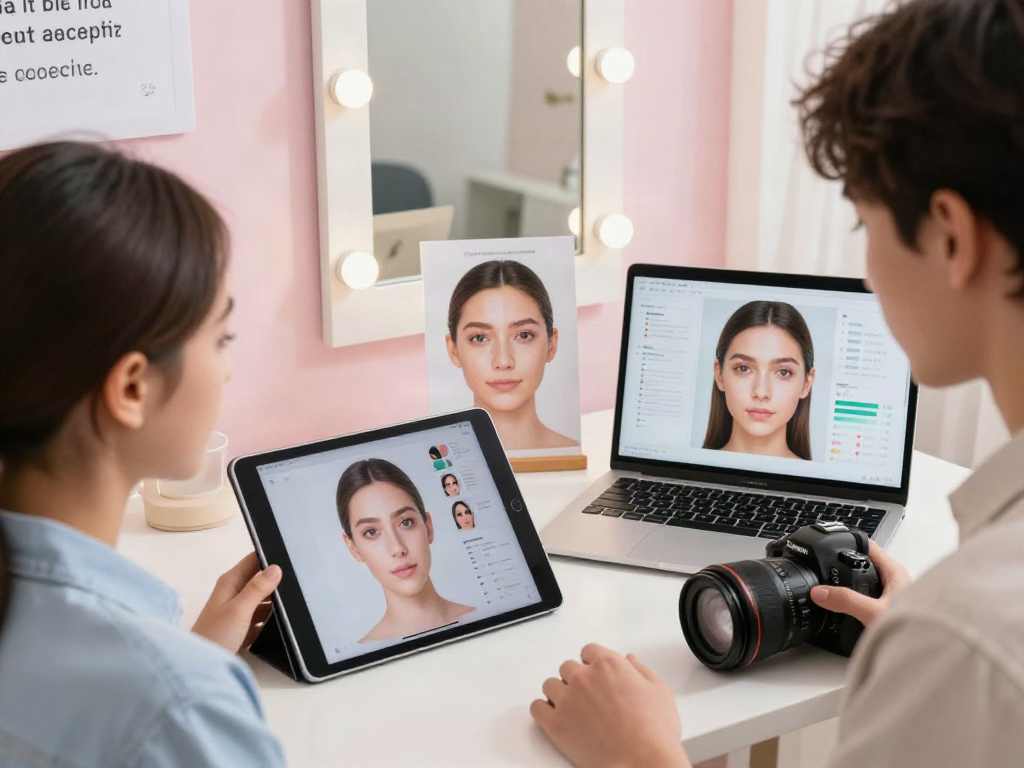

Understanding the Appeal of Age Estimation Apps
In a world increasingly intertwined with technology, the curiosity about our appearance and the age we present has become a booming trend. Age estimation apps, designed to analyze facial features via AI, have gained significant popularity as people seek to understand how they are perceived in terms of age. Whether for a fun social media post, a casual experiment with friends, or simply out of curiosity, these apps provide an interesting intersection of technology, self-perception, and entertainment. When exploring options, how old do i look tools offer comprehensive insights into our perceived age through innovative digital methods.
What is the How Old Do I Look Trend?
The "How Old Do I Look" trend has evolved from simple selfies to a sophisticated use of artificial intelligence, allowing users to upload images for age estimation. The phenomenon has spurred a variety of apps and online platforms that analyze user-submitted photographs, providing feedback on how old the individual appears based on a host of algorithms. From early versions that simply relied on user input and basic image processing to advanced AI systems capable of deep learning and analysis, this trend has captured the imagination of millions.
The Role of AI in Age Estimation
Artificial Intelligence plays a critical role in enhancing the accuracy of age estimation apps. By utilizing machine learning algorithms, these applications analyze various facial features such as skin texture, wrinkles, and facial structure. The AI systems are often trained on large datasets, learning from thousands of images to better understand the markers of aging. This allows the software to provide not just an age estimate but also insights into the qualities that contribute to an individual's perceived youth or age.
Why People Want to Know Their Perceived Age
The question of "how old do I look" taps into deeper psychological aspects of self-image and societal perceptions. For many, knowing their perceived age can influence their self-esteem and provide validation of their youthfulness or maturity. Additionally, being able to gauge societal perceptions helps in a world where age can affect everything from professional opportunities to social interactions. The results from these apps often serve as conversation starters, allowing users to engage in discussions about aging, beauty standards, and the impact of technology on self-perception.
How Age Estimation Enhances Social Interaction
Engagement through age estimation apps is not limited to solitary reflection; they often serve as catalysts for social interaction. Friends can share their results, initiate friendly competitions, and even compare photographs through different stages of their lives. This playful engagement can bridge gaps in social settings and foster deeper connections.
Using Apps for Fun and Engagement
Age estimation apps have become a form of entertainment, allowing users to explore their identities through a light-hearted lens. Friends might gather to collectively assess their perceived ages, often resulting in laughter and shared experiences. This dynamic creates an environment where self-deprecating humor flourishes, and shared results can lead to a sense of camaraderie.
Gauging Reactions: How Friends Respond
The reactions elicited from friends and peers following age estimates can be a mixed bag. Some may embrace their perceived age with pride, while others may feel slighted or even surprised. This discrepancy in reactions can encourage discussions about beauty standards, the aging process, and personal preferences regarding appearance. By gauging others' reactions, users can also learn more about the cultural and social perceptions of age within their communities.
Promoting Self-Confidence through Age Perception
Interestingly, age estimation can also promote self-confidence. Many individuals feel empowered when they receive positive feedback regarding their appearance. An app that suggests a younger age can boost morale and encourage users to adopt healthier lifestyle choices, integrating wellness practices that contribute to a youthful appearance. Furthermore, individuals can see that their perceived age can diverge from their biological age, highlighting the importance of self-care regardless of the numbers.
Choosing the Right Age Estimation App
With numerous options available, selecting the right age estimation app requires careful consideration. Users should look for features that enhance their experience and provide accurate, reliable results while maintaining user privacy.
Key Features to Look for in an App
- Accuracy: Look for apps that are backed by credible technology and research.
- User-Friendly Interface: A simple design enhances the user experience, making the app easy to navigate.
- Privacy Features: Ensure the app has secure image usage policies to protect your personal data.
- Additional Functions: Some apps might offer beauty tips, skin analysis, or trends regarding aging that can enrich the overall experience.
Comparative Analysis of Leading Apps
Many apps vie for the top spot in the age estimation market, each with its unique features and benefits. For example, FaceAge.ai uses advanced AI technology to deliver age estimates based on extensive facial analysis, while Fotor emphasizes user engagement through a simple upload and instant results process. A comparative analysis can help potential users understand which app suits their needs best.
User Reviews: What People Are Saying
User reviews are invaluable for gauging the performance and reliability of these applications. Many users report surprise at how accurate the age estimates can be, while others enjoy the creative aspects, like sharing the results on social media. By examining user feedback, potential downloaders can gain insight into the strengths and weaknesses of each app, ensuring a better choice aligned with their expectations.
Maintaining Privacy and Security While Using Age Apps
In the digital age, privacy concerns are paramount, especially when uploading personal images to online platforms. Users must remain vigilant about their data safety while engaging with age estimation apps.
Understanding Data Usage and Privacy Policies
Before downloading any app, it's essential to review its privacy policy. Users should ensure that their images are not stored permanently or used for any unintended purposes. Reputable apps will clearly communicate how user data is managed and will prioritize user consent.
Best Practices for Safe Photo Uploads
- Use Generic Photos: Consider uploading images that do not reveal sensitive personal information.
- Check Permissions: Be aware of the permissions the app requests; limit them to what is necessary for functionality.
- Read Reviews: Look for feedback regarding the app's security measures before use.
Choosing Secure Platforms for Your Fun
Opt for platforms with a proven track record of security and user satisfaction. Reviews, press coverage, and the app's response to security incidents can provide insight into how well they protect user information. Engaging with secure platforms not only enhances the user experience but also offers peace of mind while exploring the fun world of age estimation.
The Future of Age Estimation Technology
As technology continues to evolve, the future of age estimation is ripe with potential advancements. The integration of AI and machine learning will only become more sophisticated, leading to even more accurate predictions and insights.
Predictions for 2026 and Beyond
By 2026, we can expect significant improvements in the algorithms used for age estimation. Enhanced capabilities might include personalized recommendations for skincare or lifestyle changes based on the user's perceived age. Moreover, the integration of augmented reality could allow users to visualize potential aging effects in real time.
The Evolution of AI in Personal Apps
The continued evolution of AI will likely include the development of more user-centric applications that provide tailored experiences based on individual user data. This could result in apps that not only estimate age but also cater to the user's specific interests in beauty, health, and self-care. As AI technology progresses, the understanding of aging could shift from mere appearance analysis to comprehensive health assessments.
Emerging Trends in Social Media and Age Estimation
The trend of self-exploration through age estimation is likely to be further integrated into social media platforms. Users may find features within existing social media apps that allow them to dynamically "age" photographs or compare visual changes over time, sparking conversations about aging, beauty, and identity within their social circles. These integrations can lead to a cultural shift in how age is perceived, focusing more on health and vitality than on numerical representations.
What is the best app to determine how old do I look?
Choosing the best app often depends on individual preferences regarding accuracy, ease of use, and privacy. Many users favor apps that combine fun features with reliable age estimates, ensuring a balanced experience.
Can I trust the age calculations from these apps?
While age estimation apps can offer entertaining insights, it's essential to remember that they are not foolproof. Most provide estimates based on AI models, which can sometimes misinterpret features. Users should take results with a grain of salt and not let them overly influence their self-image.
How do age estimation algorithms work?
Age estimation algorithms analyze a range of facial characteristics to deduce age. They focus on elements such as wrinkles, skin quality, and facial structures, often using vast datasets to train their AI systems. This allows them to recognize patterns and provide reasonably accurate estimations.
Are these apps safe to use?
Safety largely depends on the app's privacy policies and security measures. Users are advised to select reputable apps with transparent data practices to minimize risks associated with photo uploads.
What are the downsides to using age estimation apps?
Potential downsides include concerns over privacy, the accuracy of predictions, and the psychological effects of receiving unexpected or negative results. Users should maintain awareness of these factors and approach the experience with a mindset focused on fun rather than validation.