Understanding Smart Sprinklers
In today’s world where water conservation is increasingly vital, smart sprinkler systems have emerged as essential tools for homeowners and gardeners looking to manage their gardens efficiently. These intelligent irrigation solutions are designed not just to save water, but also to promote healthier plant growth, minimizing the risk of over or under-watering. For those eager to optimize their watering practices, a smart sprinkler system can be a game changer.
What is a Smart Sprinkler?
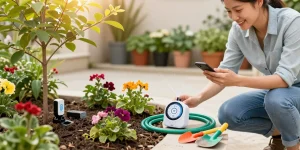
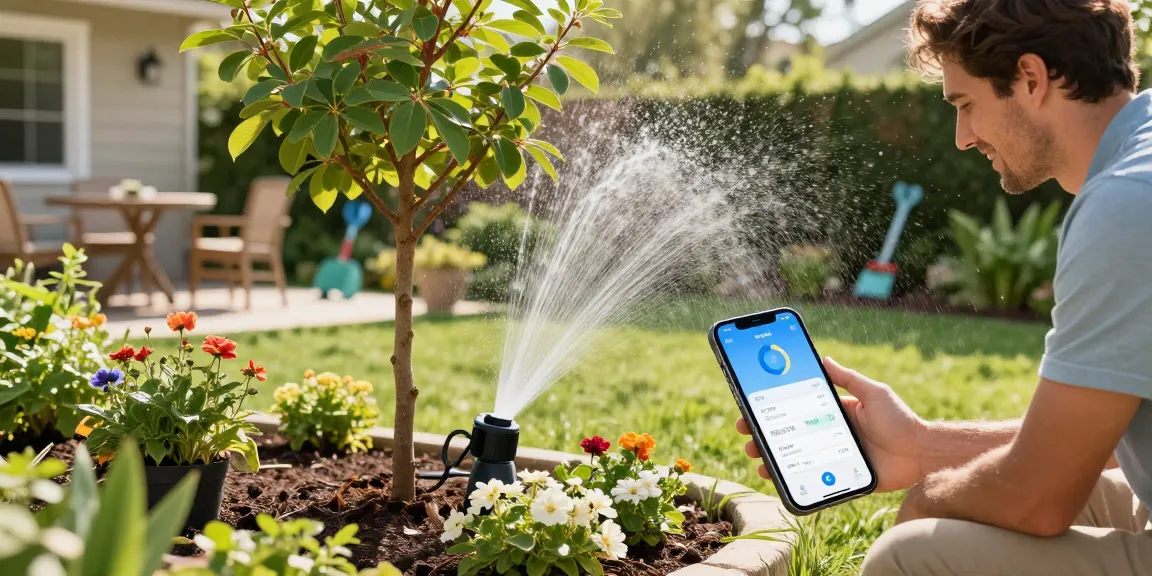
A smart sprinkler is an advanced irrigation device that automates the watering process of lawns and gardens. Unlike traditional sprinklers, which operate on a fixed schedule, smart sprinklers utilize various technologies to provide more precise watering based on real-time data. These systems can be controlled via mobile apps, allowing users to adjust settings remotely, track water usage, and receive alerts regarding soil moisture levels.
How Smart Sprinklers Work
Smart sprinklers function by integrating weather data, soil moisture sensors, and user-defined preferences to optimize watering schedules. Here’s how they generally operate:
- Weather Integration: Smart sprinklers often access meteorological data to adjust watering schedules based on current and forecasted weather conditions. For example, if rain is expected, the system can skip the scheduled watering.
- Soil Sensors: Many systems include soil moisture sensors that detect how wet or dry the soil is. If the soil is sufficiently moist, the smart sprinkler will delay watering.
- User Controls: Through accompanying apps, users can customize settings, monitor water usage, and manually override automatic schedules if needed.
Benefits of Using a Smart Sprinkler
The advantages of adopting a smart sprinkler system are numerous:
- Water Conservation: By optimizing watering times and amounts, smart sprinklers help reduce water waste significantly.
- Healthier Plants: With precise watering, plants receive the right amount of moisture they need to thrive, reducing the risk of root rot and other issues associated with overwatering.
- Convenience: Users can set schedules remotely and receive notifications, taking the hassle out of garden maintenance.
- Detailed Insights: Many smart sprinklers provide users with detailed analytics on water usage, helping them make informed decisions about their gardening practices.
Common Problems with Smart Sprinklers
While smart sprinklers offer multiple benefits, they are not without their challenges. Understanding these common issues can help users ensure optimal performance.
Connectivity Issues and Solutions
Connectivity can be a hurdle for smart sprinkler systems, particularly in areas with weak Wi-Fi signals. To mitigate this issue:
- Router Placement: Position your router closer to the garden to improve connectivity.
- Mesh Networks: Consider setting up a mesh network that extends your Wi-Fi coverage throughout your property.
- Regular Updates: Keep the firmware of your smart sprinkler system updated, as manufacturers often release improvements to enhance connectivity and performance.
Watering Schedule Conflicts
Users may sometimes find that their watering schedules conflict with unexpected weather changes or personal plans. To avoid this:
- Manual Overrides: Always have an option for manual overrides to adjust watering schedules quickly when necessary.
- App Notifications: Enable notifications from your smart sprinkler app to keep updated about changes in the weather that could affect your configured schedules.
Over or Under-Watering Plants
One of the primary concerns of any gardener is achieving the right balance of watering. Smart sprinklers can help mitigate this through:
- Soil Moisture Sensors: Regularly monitor soil moisture levels and adjust watering settings accordingly.
- Plant-Specific Settings: Configure different settings for various types of plants to ensure each receives the ideal amount of water based on their specific needs.
Best Practices for Smart Sprinkler Use
Implementing best practices when using smart sprinklers can greatly enhance their effectiveness. Here are some recommended guidelines:
Optimal Settings for Different Plant Types
Different plants have varying water requirements. Here’s how to set your smart sprinkler for diverse plant needs:
- Lawns: Typically require deep, infrequent watering; adjust the system to water early in the morning.
- Flower Beds: Most flowering plants prefer consistent moisture but can be sensitive to soggy soil. Use soil moisture sensors to guide your watering.
- Vegetable Gardens: These often require more water, especially in warmer months. Set a more frequent watering schedule that also allows for the varying moisture needs of different vegetables.
Using Soil Sensors Effectively
Soil sensors are a crucial feature of smart sprinkler systems. To utilize them effectively:
- Placement: Position sensors at different depths in the soil to get an accurate measure of moisture levels.
- Calibration: Regularly calibrate your sensors to ensure they are providing accurate readings.
Customizing Your Watering Schedule
Customizing your schedule based on real-time data ensures that your system operates optimally:
- Seasonal Adjustments: Modify your watering schedule seasonally, as plants have different water needs in spring and summer compared to fall and winter.
- Event-Based Adjustments: For special events like family gatherings or while you are away, adjust your schedules to accommodate any changes in watering needs.
Real-World Case Studies
Real-world implementations of smart sprinkler systems reveal valuable lessons and outcomes. Here’s a closer look at how homeowners are achieving remarkable results:
Homeowners Who Transformed Their Gardens
Many homeowners have shared their success stories after integrating smart sprinkler systems into their gardening routines. For example:
- The Johnsons: After installing a smart sprinkler, the Johnson family noted a 40% reduction in their water bills while improving their lawn’s lushness and vibrancy.
- Maria’s Vegetable Patch: Maria utilized soil sensors to maintain consistent water levels, resulting in a bountiful harvest without the excessive watering from previous seasons.
Lessons Learned from Smart Sprinkler Implementations
Implementations often reveal critical lessons for new users:
- Patience is Key: Users should expect adjustments in their watering practices as they learn their garden’s specific needs.
- Continuous Monitoring: Regularly checking the system can provide insights into performance and water savings over time.
Comparative Analysis of Popular Smart Sprinkler Models
A comparative analysis helps prospective buyers choose the right model:
| Model | Key Features | Price |
|---|---|---|
| RainPoint 2 Zone Wi-Fi Timer | Soil sensors, app control, water usage analytics | $99.99 |
| Orbit B-hyve | Weather-based adjustments, customizable schedules | $79.99 |
| Rachio 3 | Advanced weather API, integration with smart home devices | $249.99 |
Future Trends and Innovations in Smart Irrigation
The landscape of smart irrigation continues to evolve, integrating new technologies and addressing modern gardening challenges.
Emerging Technologies for 2026 and Beyond
As we look towards 2026, several emerging technologies are set to transform irrigation systems:
- AI-Driven Optimization: Future systems may incorporate artificial intelligence to make real-time adjustments based on extensive historical data.
- Integration with Smart Home Systems: Expect seamless compatibility with other smart devices for enhanced automation and control.
- Advanced Soil Mapping: New technologies could allow for detailed soil mapping, providing granular insights into soil composition and moisture needs.
Environmental Impact and Water Conservation Trends
As climate concerns rise, the importance of efficient water use cannot be understated. Innovations in smart irrigation systems are crucial for:
- Reducing Water Waste: Technologies that adaptively manage water usage can have a significant positive impact on local ecosystems.
- Supporting Sustainable Landscaping: Smart sprinklers can enhance the viability of drought-resistant plants, promoting biodiversity.
Preparing Your Garden for Future Smart Solutions
Homeowners can take proactive steps to prepare for the implementation of future smart irrigation solutions:
- Assess Current Systems: Review your current irrigation practices to identify areas for improvement.
- Invest in Compatible Equipment: Ensure that your existing gardening tools can integrate with future smart technologies.