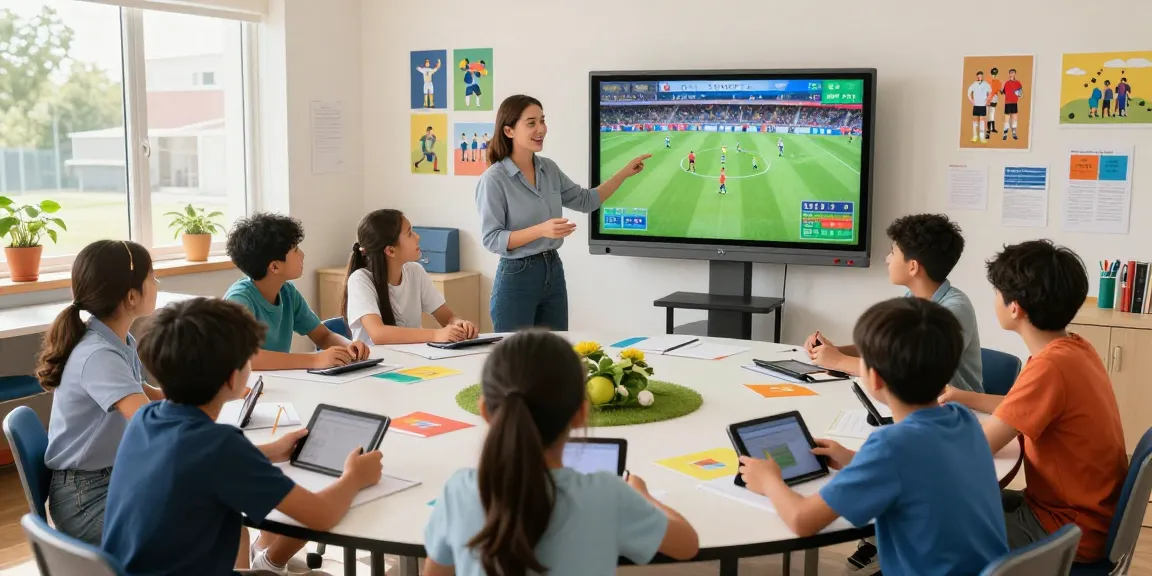
Understanding the Role of Media in Sports Education
The integration of media into sports education has become increasingly important as technology advances and student engagement evolves. With the rise of digital platforms and interactive content, educators have a unique opportunity to enhance learning experiences. Media serves as a bridge between theory and practice, making sports education more accessible and engaging for students. For those looking to explore the intersection of media and education further, https://media.upin.ac.id/ offers a wide array of resources tailored to modern educational needs.
Importance of Media in Shaping Sports Knowledge
Media plays a crucial role in disseminating sports knowledge to students. Through various formats such as articles, videos, and podcasts, learners can access a wealth of information that shapes their understanding of sports theories and practices. Furthermore, media allows for the exploration of historical events, athlete biographies, and significant games, fostering a well-rounded knowledge base.
Moreover, the application of multimedia in education enhances retention rates, allowing students to better absorb complex concepts by engaging them through visual and auditory means. This multifaceted approach caters to different learning styles, ultimately improving educational outcomes.
How Media Influences Student Engagement in Sports
Student engagement can significantly improve through the use of media in sports education. Interactive platforms such as social media, online forums, and educational apps create opportunities for learners to engage with each other and their instructors. This collaborative environment not only encourages participation but also fosters a sense of community among students.
In particular, live sports events streaming allows students to experience the thrill of competitions firsthand, making theoretical knowledge more applicable to real-world scenarios. Additionally, media can highlight the latest developments in sports science, instilling a sense of excitement and urgency for students to stay informed.
Examples of Effective Media Use in Sports Education
- Online Courses: Platforms offering courses on sports management or coaching that incorporate video lectures, quizzes, and discussion boards.
- Documentaries: Educational documentaries that cover significant sports events and figures, providing context and historical background.
- Simulation Games: Utilizing simulation games to teach tactical and strategic thinking in sports.
- Podcasts: Sports-centered podcasts that invite expert opinions and discussions on current trends and challenges in sports.
Current Trends in Sports Media for 2026
As we look toward 2026, the landscape of sports media continues to evolve quickly, driven by technological advancements and shifts in audience preferences. The current trends indicate a growing reliance on interactive and engaging formats that cater to a tech-savvy audience.
Emerging Technologies in Sports Broadcasting
Emerging technologies are revolutionizing sports broadcasting, enabling more immersive viewing experiences. Virtual reality (VR) and augmented reality (AR) are becoming mainstream, allowing fans to engage with live events in unprecedented ways. For instance, viewers can attend games virtually, explore stadiums, or interact with digital content that enhances their understanding of the game.
Interactive Learning Through Media Platforms
Interactive media platforms are essential in fostering student engagement in sports education. Utilizing quizzes, polls, and live discussions during online classes encourages students to actively participate rather than passively consume information. These interactive approaches not only broaden the learning experience but also deepen students’ connection to the subject matter.
Case Studies of Successful Sports Media Programs
Several universities have successfully integrated media into their sports programs. For example, the University of Florida’s sports management program uses a combination of traditional classroom learning and interactive media assignments, resulting in higher student engagement and satisfaction. Another notable example is the sports analytics program at Northwestern University, where students apply data analysis to real-time sports data, preparing them for future careers in sports analytics.
Best Practices for Educators Using Media in Sports Teaching
For educators aiming to maximize the effectiveness of media in sports teaching, it’s essential to adopt best practices that align with current pedagogical trends.
Integrating Multimedia in Curriculum Design
Curriculum design should leverage multimedia resources to create a rich learning environment. Incorporating videos, podcasts, and interactive tools can engage students and help them comprehend complex topics more effectively. Educational multimedia should not merely supplement traditional learning methods but rather transform them by providing new avenues for students to explore and understand sports education.
Leveraging Social Media for Student Engagement
Social media platforms offer a unique opportunity for educators to enhance student engagement. By creating dedicated groups or pages for classes, instructors can facilitate discussions, share resources, and encourage collaboration outside of the classroom. This ongoing interaction is crucial for reinforcing learning and building a community around sports education.
Developing Critical Thinking Through Sports Media Analysis
Encouraging students to critically analyze sports media content helps develop their analytical skills. Assignments that require students to evaluate how different media portray sports events, athletes, or social issues can foster critical reflections. This encourages students to question narratives presented in the media, making them more discerning consumers of information.
Challenges and Solutions in Sports Media Education
Despite the numerous advantages of integrating media into sports education, challenges persist that educators must address to maximize effectiveness.
Addressing Misinformation in Sports Media
The prevalence of misinformation in sports media poses a significant challenge for educators. Students must learn to identify credible sources and differentiate between facts and opinions. Incorporating media literacy lessons into the curriculum can help students develop these essential skills, enabling them to navigate the complex landscape of sports media.
Overcoming Technological Barriers in Classrooms
Access to technology can be a barrier for many students. Solving this issue requires institutions to invest in technology infrastructure and explore partnerships with tech companies. Implementing hybrid learning models can also create opportunities for students to engage with sports media, regardless of their physical location or access to resources.
Finding Quality Resources for Sports Education
With the vast array of media available, educators may struggle to find quality resources. Creating collaborative networks among educators to share and evaluate resources can streamline this process. Additionally, leveraging educational portals and databases can help instructors source vetted materials for their teaching needs.
Future of Sports Education Media beyond 2026
Looking beyond 2026, the future of sports education media is poised for exciting developments that will further enrich the learning experience.
Predictions for Media Evolution in Sports Learning
As technology continues to advance, we can expect sports education media to evolve with greater personalization and accessibility. AI-driven platforms may analyze students’ learning preferences and adapt content delivery accordingly, ensuring each learner receives the support they need.
Potential Impact of AI and VR on Sports Education
The integration of AI and virtual reality into sports education will redefine how students learn. For instance, AI could assist in providing instant feedback on student performance during practical exercises, while VR could simulate real-world coaching scenarios, offering students hands-on experience without the constraints of traditional learning environments.
Expert Insights on Adaptability in Sports Teaching
As the field of sports education continues to adapt, educators must remain flexible and open to changing methodologies. Engaging with experts in media and education can provide insights into new approaches and strategies that cater to the evolving needs of students and the sports industry.
What are the most effective media types for sports education?
Various media types, including video content, podcasts, and interactive digital platforms, have proven effective in sports education. Combining these formats allows students to engage with material in multiple ways, catering to different learning styles.
How can schools improve media literacy in students?
Schools can improve media literacy by integrating media analysis into the curriculum, teaching students to critically evaluate information sources and understand the implications of media representations of sports.
What challenges do educators face with sports media?
Educators face challenges such as misinformation, evolving technology, and locating quality resources that are relevant to sports education.
How can social media enhance student learning in sports?
Social media can enhance learning by facilitating discussions, sharing resources, and fostering a sense of community among students, thus encouraging collaborative learning.
What role will technology play in the future of sports education?
Technology will play a critical role in personalizing learning experiences and providing innovative tools for teaching and engagement in sports education.