The Role of Bacteriostatic Water in Laboratory Research
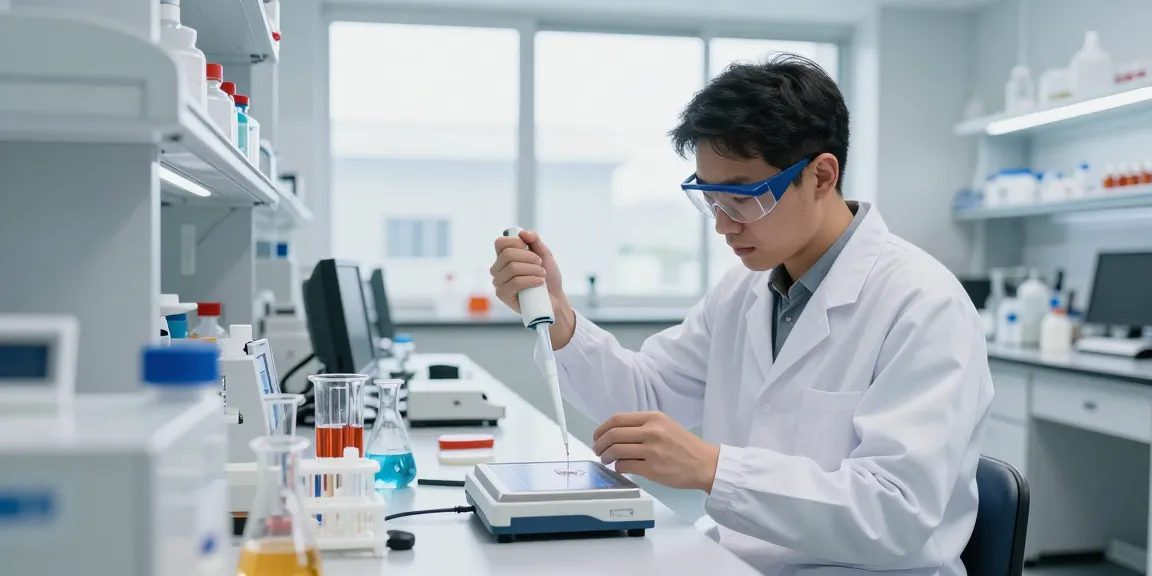
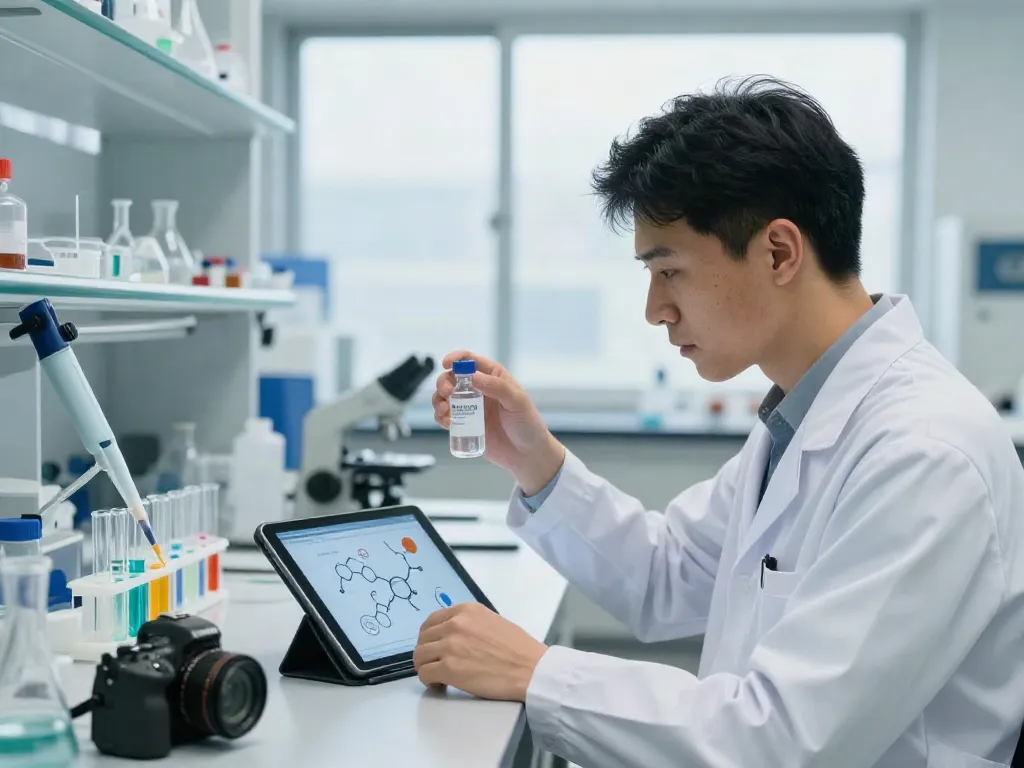
Bacteriostatic water is an essential solution in the realm of laboratory research, particularly in biochemistry and molecular biology. This sterile, non-pyrogenic water is specifically designed for reconstituting peptides and other laboratory compounds, providing a stable medium for scientific investigations. With its unique bacteriostatic property, it inhibits bacterial growth while allowing existing bacteria to remain viable, making it invaluable for repeated experimental applications. Researchers often seek high-quality sources of bacteriostatic water to ensure the integrity of their studies.
What Is Bacteriostatic Water?
Bacteriostatic water is a sterile solution of water that contains a bacteriostatic agent, commonly benzyl alcohol. This agent helps prevent the growth of bacteria while allowing for the presence of previously prepared bacterial cultures. It is primarily used as a solvent for drugs that require dilution or reconstitution before administration. The presence of benzyl alcohol in bacteriostatic water allows it to be utilized multiple times, which is particularly useful in research settings where resources must be conserved.
Key Uses in Biochemical Research
In the laboratory, bacteriostatic water is often used for:
- Reconstituting peptides and proteins, facilitating their use in various assays.
- Preparing solutions for biochemical reactions and analyses.
- Serving as a diluent for specific drugs and compounds, improving their applicability in experimental workflows.
This versatility makes bacteriostatic water a staple in labs focused on peptide synthesis, drug formulation, and analytical chemistry.
Benefits of Using Bacteriostatic Water
Utilizing bacteriostatic water offers several notable benefits:
- Preservation of Biological Activity: The inclusion of benzyl alcohol helps maintain the stability of peptides and other sensitive biomolecules during experimental procedures.
- Cost-Effectiveness: The multiple-dose functionality of bacteriostatic water reduces the need for frequent replacements, saving both time and resources in the laboratory setting.
- Simplicity and Convenience: Its ready-to-use formulation means researchers can quickly prepare their solutions without undergoing extensive preparation processes.
Understanding the Purity and Composition of Bacteriostatic Water
The efficacy of bacteriostatic water hinges on its purity and composition. For researchers, the assurance of high-quality standards is paramount, as impurities can significantly affect experimental outcomes and data reliability.
The Importance of Purity in Research Applications
In research applications, the purity of the bacteriostatic water is crucial. Impurities can lead to unexpected reactions and inaccurate results, undermining the integrity of research findings. For this reason, it is vital to source bacteriostatic water from reputable suppliers who adhere to strict quality control measures.
Composition and Stability Factors
Bacteriostatic water typically consists of distilled or deionized water with 0.9% benzyl alcohol added as a preservative. This specific composition not only inhibits bacterial growth but also offers stability against degradation during storage. Laboratories must ensure that this solution is stored properly—usually in a cool, dry place—to maintain its efficacy throughout its shelf life.
Independent Testing Protocols for Assurance
Every batch of bacteriostatic water should undergo rigorous testing protocols, such as High-Performance Liquid Chromatography (HPLC) and Mass Spectrometry, to verify its composition and purity. These independent assessments ensure that researchers are obtaining a high-quality product suitable for experimental use.
How to Properly Store and Handle Bacteriostatic Water
Proper storage and handling of bacteriostatic water are essential to maintaining its integrity. Research labs must implement best practices to ensure that the solution remains sterile and effective throughout its use.
Best Practices for Storage
Bacteriostatic water should be stored in a temperature-controlled environment, away from direct sunlight and extreme temperatures. Using a dedicated refrigerator for laboratory supplies can help ensure that the storage conditions are consistent and secure.
Handling Procedures to Maintain Sterility
When handling bacteriostatic water, it is crucial to minimize contamination risks. Researchers should always use sterile techniques when drawing from the vial, such as using sterile needles and syringes. Moreover, any unused solution should be discarded according to laboratory guidelines to prevent cross-contamination.
Signage and Safety Procedures in Laboratories
Implementing clear signage and safety protocols around the use and storage of bacteriostatic water can aid in minimizing errors. Labs should train staff on the importance of these procedures and provide easy access to Material Safety Data Sheets (MSDS) for reference.
Common Misconceptions About Bacteriostatic Water
Despite its widespread use, several misconceptions about bacteriostatic water persist, often leading to confusion among users.
Is Bacteriostatic Water Safe for All Uses?
A common misconception is that bacteriostatic water can be utilized for any purpose. However, it is strictly for laboratory research use only; it is not intended for human consumption, medical use, injection, or therapeutic applications. Adhering to these guidelines is essential to ensure safety and compliance with regulatory standards.
Understanding Its Limitations
While bacteriostatic water is suitable for multiple applications, it is not compatible with all compounds. Certain medications may react adversely with the benzyl alcohol present, which can affect their safety and effectiveness. Researchers must carefully evaluate compatibility before use.
Differences Between Bacteriostatic and Sterile Water
It is essential to distinguish between bacteriostatic water and sterile water. Sterile water is free of all microbial life and is often used for single-use applications. In contrast, bacteriostatic water contains a preservative and can be used multiple times, making it ideal for reconstituting compounds that will undergo repeated access in laboratory settings.
Future Trends and Innovations in Laboratory Solutions for 2026
The landscape of laboratory research is continuously evolving, driven by technological advancements and emerging scientific discoveries. Understanding future trends is crucial for researchers aiming to stay ahead in their fields.
Emerging Research Applications for Bacteriostatic Water
As new peptides and compounds are developed, the demand for high-quality bacteriostatic water will grow, leading to innovations in its production and formulation. Researchers are increasingly looking for solutions that facilitate more efficient preparation and handling of complex biochemical assays.
Technological Advances in Laboratory Practices
Automation and smart technologies are becoming integral aspects of laboratory research, including the processes involving bacteriostatic water. Innovations such as smart dispensing systems can ensure precise measurements and reduce waste, enhancing the overall effectiveness of experiments.
Predictions for the Use of Bacteriostatic Water in Future Research
It is likely that bacteriostatic water will play a significant role in future therapeutic developments, particularly in the fields of personalized medicine and advanced drug formulation. As the understanding of biomedicine deepens, the need for reliable, high-quality solutions like bacteriostatic water will be paramount for successful outcomes in research and clinical applications.
What is Bacteriostatic Water used for?
Bacteriostatic water is primarily used for reconstituting peptides and preparing solutions for laboratory experiments. Its ability to prevent bacterial growth makes it especially useful in research settings that require sterility and reliability.
Can I buy bacteriostatic water at CVS?
While it might be tempting to seek bacteriostatic water at retail pharmacies like CVS, it is typically not available over the counter. Researchers should procure it through specialized suppliers to ensure they receive a product that meets laboratory-grade standards.
Is bacteriostatic water available over the counter?
Bacteriostatic water is generally not available for over-the-counter purchase in pharmacies due to its specific applications. It is mainly sold through specialized suppliers aimed at laboratories and scientific research entities.
How should bacteriostatic water be stored?
Storage of bacteriostatic water should be in cool, dry conditions, typically in a refrigerator, to maintain its effectiveness. It's important to keep it away from direct sunlight and ensure that it is securely closed when not in use.
Why is purity important for bacteriostatic water?
The purity of bacteriostatic water is critical in research applications since impurities can compromise the validity of experimental results. This makes it essential to source this product from reputable suppliers who conduct thorough testing for quality assurance.