
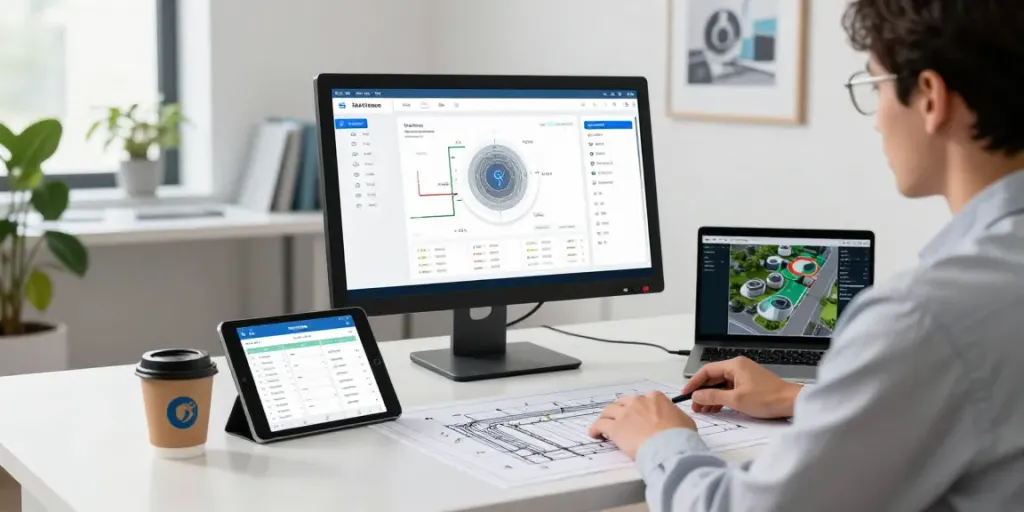
The Evolution of HVAC Software in 2026
As we move further into 2026, the HVAC industry continues to undergo a digital transformation, heavily influenced by advancements in technology. The integration of HVAC Software into business operations is no longer a luxury; it is a necessity for companies aiming to stay competitive in an increasingly complex marketplace. When exploring options, HVAC Software provides comprehensive insights that can streamline operations and enhance customer satisfaction. This evolution encompasses a range of innovations, from artificial intelligence to user-centric design, leading to significant improvements in efficiency and service delivery.
How HVAC Software is Embracing AI and Automation
Artificial intelligence (AI) has become a game-changer for HVAC businesses, automating routine tasks and enabling more efficient operations. For instance, AI-driven scheduling tools can analyze historical data to optimize technician dispatching, ensuring that the right person is assigned to the right job at the right time. Additionally, predictive analytics can forecast equipment failures before they occur, allowing companies to address issues proactively rather than reactively, which significantly reduces downtime.
Automation features in HVAC Software also extend to customer service, where chatbots can handle common queries, freeing up service representatives to focus on more complex customer needs. With the advent of remote monitoring systems, HVAC businesses can offer real-time support to customers, enhancing their overall experience and satisfaction.
The Shift Toward User-Centric Design in Software Solutions
In recent years, the trend towards user-centric design has gained momentum in the HVAC software sector. Software developers are now prioritizing the user experience (UX) by creating intuitive interfaces that simplify complex tasks. This focus on UX ensures that technicians and office staff can navigate systems with minimal training, increasing productivity and reducing errors.
Moreover, mobile compatibility has become a critical factor as field technicians require access to information on-the-go. User-centric designs often include mobile apps that sync with the main software, allowing technicians to receive updates, log service calls, and even invoice customers directly from their devices. This seamless integration between office and field operations enhances efficiency and improves communication across teams.
Breaking Down the Benefits of Data-Driven Decisions in HVAC
The shift to data-driven decision-making is revolutionizing how HVAC companies operate. By leveraging data analytics, businesses can gain insights into operational performance, customer preferences, and market trends. For instance, analysis of service call data can reveal patterns that inform maintenance schedules, resulting in more proactive service and reduced emergency call-outs.
Data also plays a crucial role in inventory management. By tracking inventory levels in real time, HVAC companies can better manage stock, avoid over-purchasing or stock shortages, and streamline their procurement processes. Additionally, tailored reporting features in modern HVAC software allow companies to generate reports that provide valuable visibility into areas such as job profitability and technician efficiency.
Key Features to Look for in HVAC Software
Choosing the right HVAC software involves understanding the key features that can enhance business operations. Below are crucial tools every HVAC company should consider when evaluating their software options.
Essential Tools for Scheduling and Dispatching
A robust scheduling and dispatching system is vital for HVAC companies to ensure timely service delivery. Look for software solutions that offer drag-and-drop scheduling, automated reminders, and efficient route planning. These tools help to optimize technician time and improve customer satisfaction by minimizing wait times.
Inventory Management Features That Save Time
Effective inventory management is essential for HVAC businesses to maintain proper stock levels and reduce costs. Software that provides real-time inventory tracking, automated reorder alerts, and integration with purchasing systems can significantly streamline operations. This not only saves time but also ensures that technicians have the parts they need when they are on-site.
Customizable Reporting and Analytics Capabilities
The ability to generate customizable reports is another critical feature in HVAC software. Look for solutions that allow you to analyze key performance indicators (KPIs) relevant to your business goals, such as service efficiency, customer satisfaction, and financial performance. Advanced analytics can help you make informed decisions, leading to better business outcomes.
Common Misconceptions About HVAC Software
Despite the benefits, there are several misconceptions about HVAC software that can deter companies from making the leap. Addressing these myths is essential for businesses to fully embrace digital solutions.
Myths About High Costs and Complexity
One common myth is that HVAC software is excessively expensive and complicated to implement. While there are high-end solutions available, many affordable options exist that cater to small and midsize businesses. Moreover, modern software is often designed with user-friendly interfaces that simplify setup and operation, making it accessible to all staff levels.
Debunking the Belief That All Software is the Same
Another misconception is that all HVAC software solutions offer the same features and benefits. In reality, the range of capabilities can vary significantly between providers. It's crucial for HVAC companies to conduct thorough research and select software that aligns with their specific operational needs and growth objectives.
Understanding the Learning Curve for New Users
Many HVAC professionals fear that adopting new software will be time-consuming and challenging for employees to learn. However, most industry-leading HVAC software comes with comprehensive training resources and customer support to facilitate a smoother transition. Additionally, the investment in training can yield long-term benefits by empowering staff to utilize the software effectively.
Implementing HVAC Software in Your Business
Once you’ve selected the right HVAC software, the next step is successful implementation. Here are some best practices to ensure a smooth transition.
Best Practices for Training Your Team on New Software
Training is a critical component of software implementation. Schedule hands-on training sessions for your team, utilizing both the software’s resources and any additional training materials provided by the vendor. Make sure to address specific tasks that each role will undertake using the software to increase familiarity and comfort levels.
Steps to Ensure Smooth Software Integration
To integrate new software effectively, develop a detailed rollout plan that includes milestones and timelines. Engage all stakeholders from the beginning to gather input and share expectations. It's also wise to run parallel systems temporarily, where both the old and new software operate simultaneously to minimize disruptions during the transition.
Monitoring Performance After Implementation
Once the software is live, continuously monitor its performance against your initial goals. Collect feedback from users regularly to identify any issues or areas for improvement. This ongoing evaluation will help you maximize the software’s potential and adjust processes as needed.
Future Trends in HVAC Software Beyond 2026
As technology continues to evolve, HVAC software will adapt accordingly, shaping future trends and capabilities.
Emerging Technologies and Their Impact on HVAC
The integration of emerging technologies such as the Internet of Things (IoT) and smart home systems will further revolutionize HVAC software. These technologies enable continuous data collection from HVAC systems, allowing for enhanced remote management and troubleshooting capabilities. Businesses will benefit from real-time insights that inform service recommendations and maintain peak operational efficiency.
Predictive Maintenance and Its Role in HVAC Efficiency
Predictive maintenance will become an essential component of HVAC software, allowing businesses to anticipate equipment failures before they happen. By analyzing data from sensors and connected devices, software can suggest optimal times for maintenance, improving reliability and reducing emergency service calls.
The Importance of Scalability for Growing Businesses
As HVAC companies expand, they require software that can scale with them. Future HVAC software solutions will need to offer modular features and flexible pricing structures, enabling businesses to add functionalities as they grow, without incurring unnecessary costs.
What Are the Most Common Features of HVAC Software?
Common features among HVAC software solutions include scheduling and dispatching tools, invoicing and payment processing functionality, customer relationship management (CRM) capabilities, and mobile access for field technicians. Understanding these features can help businesses choose the best solution for their needs.
How Can HVAC Software Improve Customer Satisfaction?
HVAC software improves customer satisfaction by providing faster response times, efficient service scheduling, and transparency in communication. Enhanced data management also allows companies to deliver personalized services, which can significantly boost customer loyalty and retention.
Is Investment in HVAC Software Worth It for Small Businesses?
For small HVAC businesses, the investment in software solutions can yield significant returns. By reducing administrative burdens, improving service efficiency, and enhancing customer experiences, HVAC software can provide a competitive edge that drives growth and profitability.
What Are the Key Differentiators Among HVAC Software Solutions?
Key differentiators among HVAC software include pricing models, feature sets, ease of use, and the level of customer support available. Companies should assess their unique needs and select software that aligns with their operational goals and budgetary constraints.
How Does HVAC Software Integrate with Other Business Tools?
Integration with other business tools is crucial for creating an efficient workflow. Many modern HVAC software solutions offer integration capabilities with accounting software, CRM systems, and project management tools, allowing for seamless data exchange and enhanced operational efficiency.
What Can We Expect from HVAC Software in the Next Five Years?
In the coming years, we can expect HVAC software to continue evolving, embracing advancements in AI, machine learning, and IoT. These innovations will further streamline operations, offer deeper insights through analytics, and enhance customer interactions, setting new standards for service excellence in the HVAC industry.
