
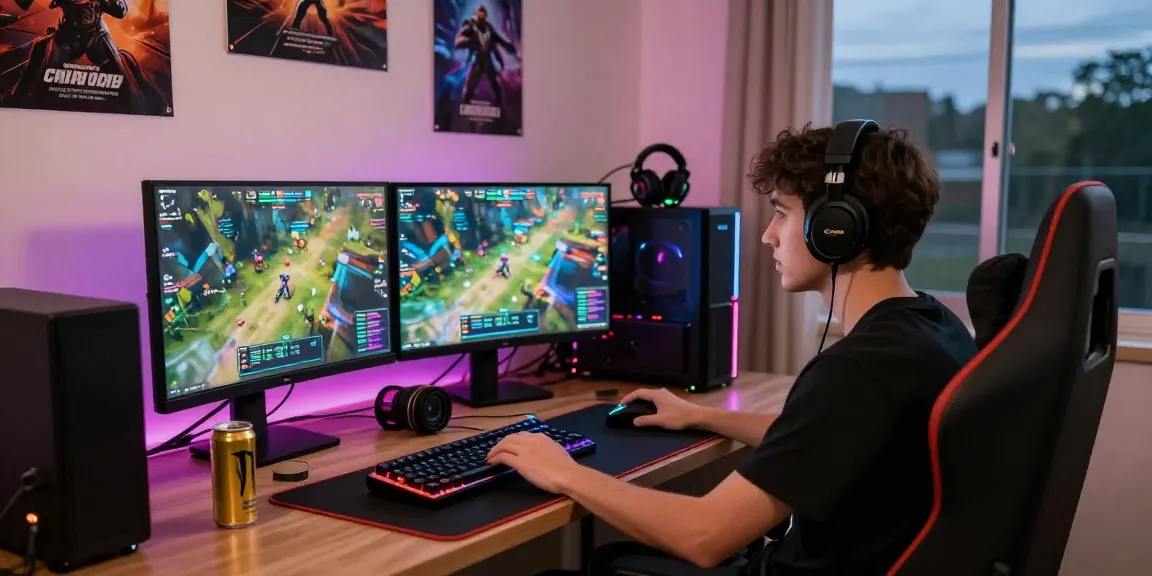
Understanding the Evolution of AI in Gaming
The integration of artificial intelligence in gaming has dramatically reshaped how developers design games and how players experience them. From enhancing NPC behaviors to generating dynamic content, AI has become a fundamental component in modern game design. One fascinating aspect of this evolution is the emergence of ai gf, which signifies a new era of personalized gameplay experiences driven by AI technology. In this article, we will explore the multifaceted roles AI plays in gaming and the profound effects it has on both game development and player engagement.
What is ai gf and Its Role in Gaming?
At its core, ai gf refers to the growing trend of utilizing AI algorithms to create engaging, responsive game characters that can learn from player interactions. This concept is not merely about making NPCs smarter; it's about creating a more immersive storytelling experience. Through machine learning, these AI systems analyze player behavior and adapt the game environment accordingly, providing a unique experience for each player.
For example, an AI-driven character might develop unique reactions based on past interactions, allowing for deeper emotional connections between the player and the characters they encounter. This level of personalization can significantly enhance the gaming experience, making it more dynamic and engaging.
The Impact of AI on Game Development
The impact of AI on game development has been transformative. Traditionally, game development was a labor-intensive process focused on static responses and pre-defined narratives. However, with the advent of AI technologies, development teams can automate various elements, from game testing to character animation.
AI can assist in procedural content generation, creating vast worlds and unique scenarios that would be tedious and time-consuming for human developers to produce manually. This not only saves time and resources but also enables the creation of expansive game worlds that can evolve and change based on player input.
Current Trends in AI and Gaming
As AI technology continues to advance, several trends are emerging in the gaming industry. These trends are centered around improving player experiences and enhancing the capabilities of game development studios.
- Enhanced NPC Interaction: AI-driven NPCs that can hold meaningful conversations and react logically to player decisions.
- Adaptive Difficulty Levels: AI algorithms can analyze player skills and adjust game difficulty in real-time to maintain engagement.
- Personalized Experiences: Using data analytics, games can tailor experiences to individual player preferences, leading to higher satisfaction rates.
Benefits of Integrating AI in Gaming Experiences
Enhancing Gameplay with Personalized AI
The primary benefit of integrating AI in gaming is the enhancement of gameplay through personalized experiences. By analyzing player behavior, AI can tailor challenges and narratives, ensuring that each player's journey is distinct. This level of personalization not only fosters player loyalty but also encourages longer play sessions as players feel more invested in their experiences.
AI-Driven Analytics for Gamers
AI-driven analytics can offer gamers insights into their playing styles, strengths, and areas for improvement. Through data collected during gameplay, AI can provide feedback that helps players refine their strategies. This can be particularly valuable in competitive gaming, where understanding one's gameplay patterns can lead to better performance.
Creating Adaptive Learning Environments
AI can also facilitate adaptive learning environments within games, allowing players to learn new skills at their own pace. For instance, educational games powered by AI can adjust challenges based on the learner's progress, ensuring that they’re always engaged without feeling overwhelmed or bored.
Challenges and Considerations When Implementing AI
Common Misconceptions about AI in Gaming
Despite its benefits, there are common misconceptions surrounding AI in gaming. Some players fear that AI could replace human creativity in game design, while others worry about overly complex systems that could alienate casual gamers. It’s essential for developers to communicate the intent and balance the benefits of AI with traditional game design values.
Technical Barriers to Implementation
The implementation of AI in games does come with its challenges, particularly technical barriers. Game developers often face difficulties related to data processing, algorithm efficiency, and integration with existing game engines. Overcoming these barriers requires collaboration between AI experts and game developers to ensure seamless integration.
Addressing Ethical Concerns in AI Gaming
As with any technology, ethical considerations must be at the forefront when discussing AI in gaming. Concerns such as data privacy, algorithmic bias, and the potential for manipulative gameplay mechanics must be addressed. Developers need to implement transparent AI systems that prioritize user consent and ethical standards.
Real-World Applications of AI in Gaming
Case Studies of Successful AI Integration
Several games have successfully integrated AI to enhance user experiences. For instance, “Middle Earth: Shadow of Mordor” employs an AI system known as the Nemesis system, where NPCs remember player interactions and evolve accordingly. This creates a uniquely tailored narrative that reflects individual player actions, showcasing the potential of AI in creating dynamic gameplay.
AI in Competitive Gaming: Advantages and Disadvantages
In competitive gaming, AI can provide significant advantages, such as real-time analytics and performance tracking. However, it can also present challenges, including the potential for unfair advantages if AI systems are accessible only to certain players. Developers must strike a balance to ensure a fair competitive landscape.
How Streaming Platforms Leverage AI
Streaming platforms are increasingly utilizing AI to enhance user experiences. Platforms like Twitch use AI algorithms to recommend content based on viewing habits, while also helping streamers optimize their broadcasts through analytical insights. This synergy between AI and streaming enhances community engagement and content discoverability.
Future Trends: What to Expect in 2026 and Beyond
Emerging Technologies in Gaming AI
Looking ahead to 2026, emerging technologies such as generative AI and deeper learning algorithms will likely shape the gaming landscape. Developers can expect to see more games utilizing AI to create rich, adaptive worlds that respond to player choices in more profound ways than ever before.
The Role of Community Feedback in AI Development
Community feedback will play a crucial role in the evolution of AI in gaming. Developers will need to engage closely with players to understand their experiences and iterate on AI functionalities, ensuring that games remain relevant and enjoyable.
Preparing for a New Era of Gaming with AI
As we approach this new era, it is essential for developers to remain adaptable and open to change. The integration of AI in gaming promises unprecedented opportunities for innovation, but it will also require a commitment to ethical practices and a focus on player experience.
What are the key advantages of adopting ai gf?
Adopting ai gf brings several advantages, including:
- Enhanced personalization of gameplay experiences
- Improved engagement through adaptive challenges
- Greater opportunities for storytelling depth
How is ai transforming the gaming industry?
AI is transforming the gaming industry by automating tasks, enabling procedural content generation, and creating smarter NPCs that enhance player interaction. This shift allows developers to focus on creativity while AI handles repetitive tasks.
What challenges does AI face in gaming?
AI in gaming faces several challenges, including technical difficulties, ethical concerns, and misconceptions about its role. Addressing these challenges requires careful planning and transparency from developers.
Are there ethical issues related to ai in gaming?
Yes, ethical issues such as data privacy, algorithmic bias, and the potential for manipulative practices in gameplay are significant concerns that developers must address proactively.
What trends should gamers watch for in 2026?
Gamers should watch for trends such as deeper personalization, more sophisticated AI interactions, and an increase in community-driven game development practices. The gaming landscape is poised for a transformation that emphasizes player engagement and innovative storytelling.