
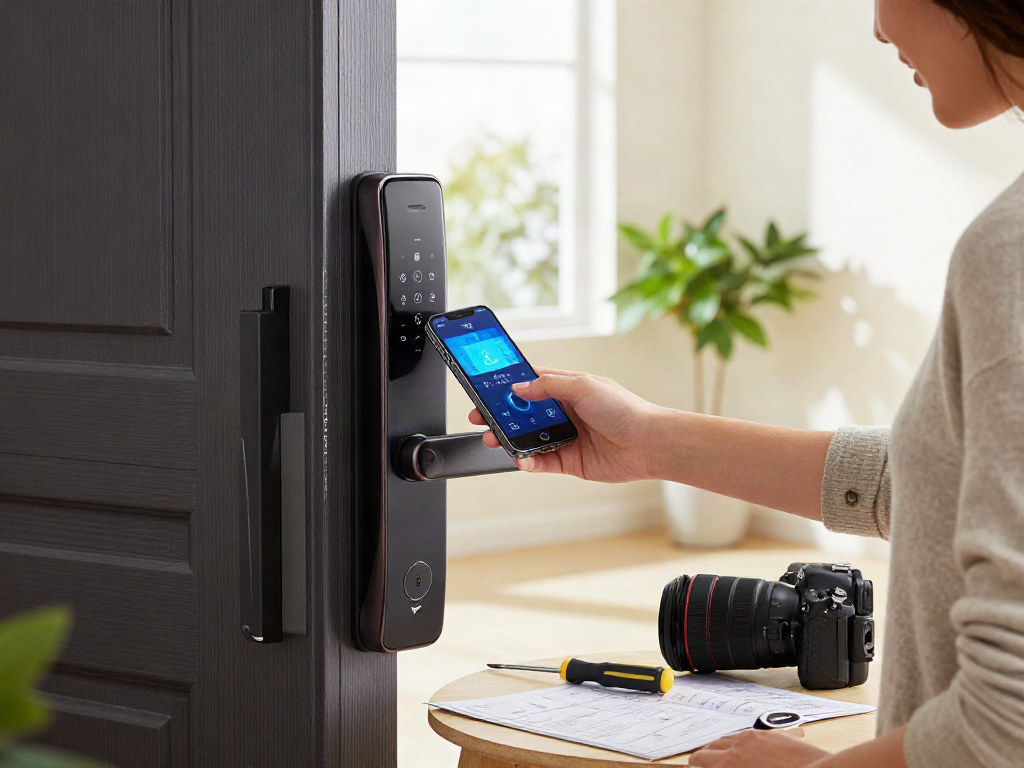
Understanding Smart Locks: Features and Benefits
In today’s technology-driven world, smart locks represent a significant advancement in home security. They provide homeowners with increased convenience, enhanced safety, and the ability to manage access remotely. By integrating with smartphones and home automation systems, these locks are not merely a replacement for traditional locks but an improvement in how we secure our homes. When exploring options, خرید قفل هوشمند can open doors to modern security solutions that are both practical and user-friendly.
What is a Smart Lock?
A smart lock is an electronic locking device that allows you to manage access to your home through digital means, typically via a smartphone app or a web interface. Unlike traditional locks that rely on physical keys, smart locks can be unlocked with a variety of methods, including keypads, fingerprints, smartphones, and even voice commands. This innovation allows homeowners to grant access to guests without having to be physically present.
Key Features of Smart Locks
- Remote Access: Unlock your door from anywhere using your smartphone.
- Temporary Access Codes: Generate time-limited access codes for guests or service providers.
- Activity Monitoring: Receive notifications when someone enters or exits your home.
- Integration with Smart Home Devices: Sync with systems like Amazon Alexa or Google Home for voice-activated access.
- Auto-Lock Functionality: Automatically locks the door behind you for added convenience.
Benefits of خرید قفل هوشمند for Homeowners
Investing in a smart lock offers several advantages for modern homeowners. Aside from providing ease of use and convenience, smart locks significantly enhance the security of your home. They eliminate the need for physical keys, which can be lost or copied, thereby reducing the risk of unauthorized access. Furthermore, the ability to manage access remotely gives homeowners peace of mind while they are away, knowing that they can easily monitor who enters their home.
Choosing the Right Smart Lock for Your Home
With a variety of smart locks available on the market, choosing the right one for your needs can be daunting. Factors such as compatibility, features, and price point should all be considered before making a decision.
Types of Smart Locks: A Comparative Overview
Smart locks generally fall into three categories: retrofit locks, deadbolt smart locks, and smart handles. Retrofit locks fit over existing deadbolts, making them a great option for renters. Deadbolt smart locks replace the traditional deadbolt and are ideal for homeowners looking to enhance security. Smart handles integrate the locking mechanism into the door handle, providing sleek and convenient access.
Factors to Consider When Selecting a Smart Lock
- Security Features: Look for locks with tamper alerts and strong encryption.
- Compatibility: Ensure the lock works seamlessly with your existing smart home system.
- Power Source: Consider battery-operated locks versus those that can draw power from your home.
- Design and Aesthetics: Choose a lock that complements your home’s style.
Common Misconceptions About Smart Locks
Many people believe that smart locks are unsafe or unreliable. However, most smart locks come equipped with advanced security features, such as end-to-end encryption and biometric access. Additionally, regular software updates maintain the integrity of the lock’s security protocols.
Installation Process of a Smart Lock
The installation of a smart lock can vary depending on the type you choose, but most follow a general process that can be completed in under an hour.
Step-by-Step Guide to Installing a Smart Lock
- Remove the existing lock from your door.
- Follow the manufacturer's instructions to install the new smart lock.
- Connect the lock to your home Wi-Fi network via the mobile app.
- Set up user accounts and access codes as needed.
- Test the lock to ensure it operates correctly.
Tools Needed for Installation
Typically, you will need a screwdriver, a drill, and possibly a wrench, depending on the lock model. Most smart lock packages include detailed instructions, making the installation process straightforward.
Troubleshooting Installation Issues
If you encounter issues during installation, refer to the user manual for troubleshooting tips. Common problems include connectivity issues, misalignment of the lock with the door, or difficulty programming the device.
Integrating Smart Locks with Home Automation
Smart locks can enhance your home automation system, offering even greater convenience and security.
How to Connect Your Smart Lock to a Smart Home System
Most smart locks are designed to integrate with popular smart home ecosystems such as Google Home or Amazon Alexa. To connect your smart lock, download the appropriate app and follow the instructions for device pairing. This usually involves scanning a QR code and connecting the lock to your home's Wi-Fi network.
Benefits of Home Automation with Smart Locks
- Increased Security: Automate locking and unlocking doors based on your location.
- Convenience: Control all smart devices from a single app.
- Improved Energy Efficiency: Integrate with smart thermostats and lights for automated home management.
Common Compatibility Issues and How to Solve Them
Sometimes, smart locks may not work seamlessly with other smart home devices. If you encounter compatibility issues, ensure that all devices are updated to the latest firmware and check that they are using the same communication protocols.
Maintaining Your Smart Lock for Longevity
Proper maintenance is crucial to ensure your smart lock remains functional and secure over time.
Routine Maintenance Tips for Smart Locks
- Regularly check battery levels and replace batteries as needed.
- Clean the lock and keypad to prevent dust accumulation.
- Inspect the lock for any signs of wear or damage.
Security Updates and Firmware Management
Most smart locks require periodic updates to maintain optimal security. Enable automatic updates through the app or check for updates manually to ensure your device is protected against the latest threats.
Future Trends in Smart Lock Technology
The future of smart locks is promising, with advancements such as AI-driven access control and integration with biometric systems gaining traction. These innovations will likely enhance security features and offer even more convenience for homeowners.
What are the most common issues with smart locks?
Common issues include connectivity problems, battery failure, and occasional software glitches. It is essential to stay informed about any updates or recommended maintenance.
How do I choose the best smart lock for my needs?
Consider factors such as security features, compatibility with your smart home system, and your budget. Research various models to find the best fit for your needs.
Can I install a smart lock myself?
Yes, most smart locks are designed for DIY installation and come with comprehensive instructions. However, if you're unsure, it might be wise to consult a professional.
What happens if my smart lock battery dies?
Most smart locks have a backup key option or a way to recharge or replace batteries even in an emergency. Familiarize yourself with your specific lock’s emergency access features.
Are smart locks safe to use?
When installed and used correctly, smart locks offer enhanced security over traditional locks due to features like encryption and remote monitoring. However, selecting reputable brands and keeping your software updated is vital.