
Sustainability has become a major focus for businesses and organizations looking to reduce energy waste, improve efficiency, and create more responsible operations. As energy demands continue to rise, companies are searching for solutions that can provide reliable power while supporting environmental objectives.
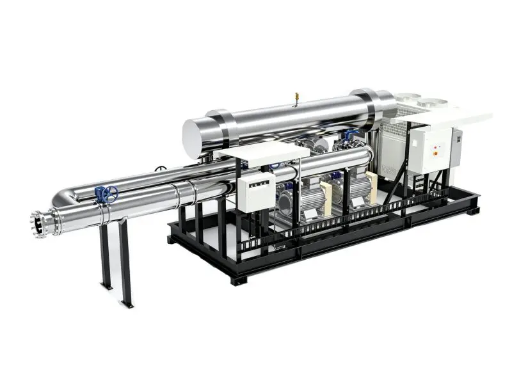
Combined Heat and Power (CHP) systems offer an effective approach by generating electricity and useful heat from a single fuel source. Farm Use Gas CHP solutions apply this technology to improve energy efficiency, reduce resource waste, and support sustainability goals while providing reliable power and heat for agricultural operations.
Understanding Combined Heat and Power Technology
Combined Heat and Power, also known as cogeneration, is an energy generation method that produces electricity while capturing heat created during the process. Instead of allowing this heat to escape as waste, CHP systems reuse it for practical applications.
This approach improves overall energy utilization and allows facilities to achieve higher efficiency compared to traditional power generation methods.
By combining electricity production and heat recovery, CHP systems provide a smarter way to manage energy consumption.
Why Sustainability Requires Smarter Energy Solutions
Many organizations are working to reduce their environmental impact while maintaining strong operational performance. Traditional energy systems often lose a significant amount of energy during electricity production.
CHP technology addresses this challenge by making better use of available fuel. Businesses can produce the energy they need while minimizing unnecessary waste.
This makes CHP systems valuable for industries, commercial facilities, and institutions that want to balance productivity with sustainability.
Benefits of CHP Systems for Sustainability Goals
Improved Energy Efficiency
One of the biggest advantages of CHP technology is its ability to increase overall energy efficiency. By using both electricity and recovered heat, facilities can achieve better performance from the same fuel input.
Efficient energy solutions such as Farm use Gas CHP help agricultural operations optimize power and heating requirements while reducing energy losses.
Reduced Energy Waste
Traditional power generation methods often release unused heat into the environment. CHP systems capture this heat and convert it into useful energy for heating, hot water, and other processes.
This reduces waste and helps organizations create a more efficient energy cycle.
Lower Carbon Impact
Sustainability goals often include reducing emissions and improving environmental responsibility. CHP systems can support these objectives by improving fuel utilization and reducing the need for separate heating and electricity systems.
By using resources more efficiently, businesses can lower their overall environmental impact.
Applications of CHP Systems Across Different Sectors
CHP technology can support a wide range of industries and facilities, including:
- Manufacturing plants
- Agricultural operations
- Hotels and resorts
- Healthcare facilities
- Commercial buildings
- Food processing facilities
- Industrial complexes
- Educational institutions
Hotels, for example, require continuous electricity and heating support for guest comfort and daily operations. Solutions like Hotel Natural Gas CHP help hospitality businesses improve efficiency by combining power generation with heat recovery.
Supporting Reliable and Sustainable Operations
While sustainability is important, organizations also need reliable energy solutions. A system that reduces environmental impact but cannot meet operational requirements is not practical.
CHP systems provide both reliability and efficiency by allowing facilities to generate energy on-site. This helps reduce dependence on external power sources and improves energy security.
For businesses operating critical systems, this combination of sustainability and reliability creates long-term value.
Choosing the Right CHP System
Selecting an appropriate CHP solution requires careful planning. Organizations should consider:
- Current energy consumption
- Heating requirements
- Facility size
- Fuel availability
- Efficiency targets
- Future expansion needs
A properly designed CHP system ensures maximum performance and helps businesses achieve their energy goals.
Regular maintenance and professional system management are also essential for maintaining efficiency throughout the equipment’s operational life.
The Future of Sustainable Energy Management
As businesses continue adopting greener practices, CHP technology will play an increasingly important role in energy strategies. Its ability to improve efficiency, reduce waste, and support reliable power generation makes it a valuable solution for the future.
Advancements in gas engines, energy controls, and renewable fuel options will continue improving the performance of CHP systems.
Conclusion
Combined Heat and Power systems provide a practical pathway toward achieving sustainability goals. By producing electricity and recovering useful heat, these systems help organizations improve efficiency, reduce waste, and manage energy more responsibly.
Whether used in agriculture, hospitality, industry, or commercial facilities, CHP solutions offer a reliable and efficient approach to modern energy management.