
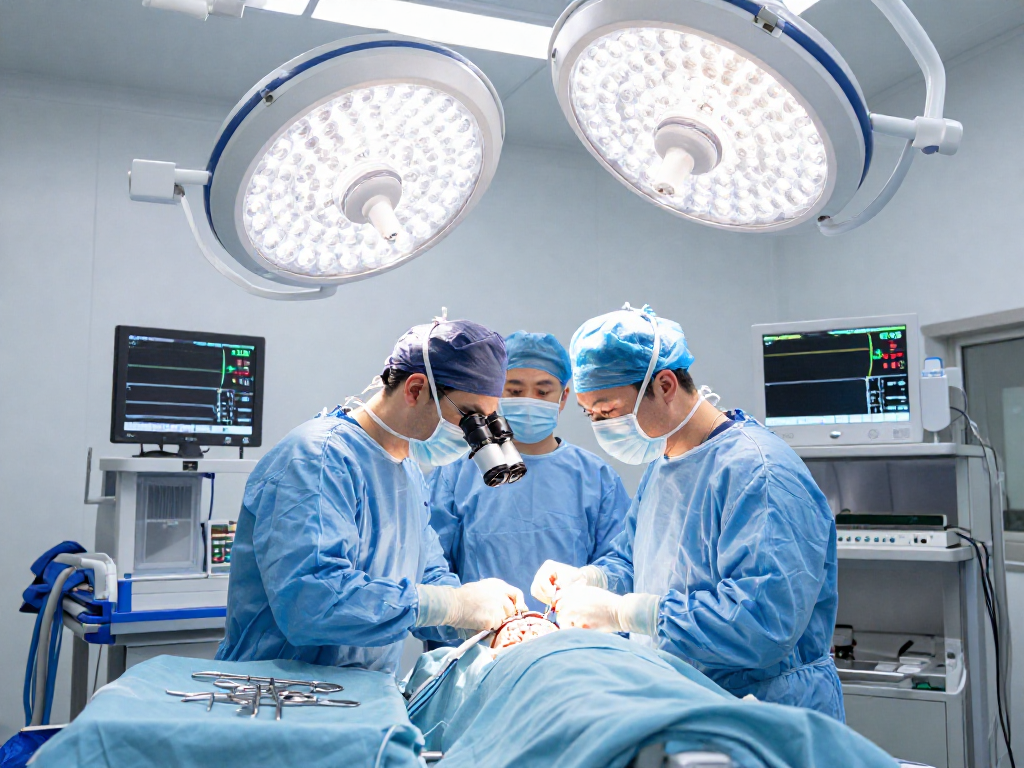
Understanding Beyin Tümörü Ameliyatı
Beyin tümörü ameliyatı, hem iyi huylu hem de kötü huylu beyin tümörlerinin tedavisinde kritik bir adım olarak öne çıkmaktadır. Bu cerrahi işlem, tümörün türüne, konumuna ve hastanın genel sağlığına bağlı olarak değişiklik gösterir. Ameliyat süreci, genellikle dikkatli bir ön değerlendirme ile başlar ve hastanın nörolojik durumu değerlendirildikten sonra doğru cerrahi yöntem seçilir. Beyin tümörü ameliyatı hakkında daha ayrıntılı bilgiye ulaşmak için beyin tümörü ameliyatı sayfasını ziyaret edebilirsiniz.
What is a Brain Tumor Surgery?
Brain tumor surgery, also known as neurosurgery, involves the surgical removal of tumors located in the brain. These tumors can be benign (non-cancerous) or malignant (cancerous), and the approach to their removal significantly varies based on their type, size, and location. Neurosurgeons typically evaluate the best method for surgery while considering the patient's overall health and any potential risks involved.
Types of Brain Tumors Affecting Surgery
Brain tumors are classified into several categories, including primary and metastatic tumors. Primary brain tumors originate in the brain, while metastatic tumors are those that have spread from other parts of the body. The most common types of brain tumors include:
- Meningiomas: Typically benign tumors that arise from the meninges, the protective layers covering the brain.
- Gliomas: Tumors that originate from glial cells, which support and protect neurons. Examples include astrocytomas and glioblastomas.
- Metastatic tumors: These tumors spread to the brain from other cancers, such as lung or breast cancer.
The Surgical Process of Beyin Tümörü Ameliyatı
Step-by-Step Overview of the Procedure
The surgical process for brain tumor removal typically involves several key stages. Initially, the surgeon conducts a thorough pre-operative assessment, including advanced imaging techniques such as MRI or CT scans. The actual surgery can be broken down into the following steps:
- Anesthesia administration: General anesthesia is administered to ensure that the patient remains unconscious and pain-free during the procedure.
- Incision and craniotomy: The surgeon makes an incision in the scalp and removes a section of the skull (craniotomy) to access the brain.
- Tumor removal: Using advanced techniques, the surgeon removes the tumor while preserving as much healthy brain tissue as possible.
- Closure: After the tumor has been removed, the skull is reconstructed, and the incision is closed.
Key Surgical Techniques Used
In brain tumor surgery, various techniques are employed to enhance precision and reduce complications. Some of the key techniques include:
- Microsurgery: Utilizing a microscope to perform delicate procedures minimizes damage to surrounding tissues.
- Neuro-navigation: This technology guides the surgeon during the procedure by providing real-time imaging of the brain.
- Awake surgeries: In certain cases, patients may be kept awake during parts of the surgery to monitor brain function closely.
Role of Advanced Technology in Surgery
Advancements in technology have significantly improved the outcomes of brain tumor surgeries. Techniques such as intraoperative MRI and robotic assistance provide surgeons with enhanced visualization and control during surgery. These innovations help to ensure precise tumor removal with minimal risk to crucial brain functions.
Risks and Considerations of Beyin Tümörü Ameliyatı
Common Risks Associated with Brain Surgery
While brain tumor surgery can be life-saving, it is not without risks. Some of the most common risks include:
- Infection at the surgical site.
- Bleeding within the brain.
- Damage to healthy brain tissue, potentially affecting neurological functions.
- Seizures following the surgery.
Managing Post-operative Complications
Proper management of complications post-surgery is critical for recovery. Patients should be monitored for any signs of infection or unexpected neurological changes. Rehabilitation may involve physical therapy, occupational therapy, and speech therapy, depending on the extent of surgery and any neurological impact.
Patient Education for Informed Consent
Understanding the risks and benefits associated with brain tumor surgery is essential for patients and their families. Comprehensive education can empower patients during their treatment journey and facilitate informed consent.
Post-Surgery Recovery and Follow-Up
Typical Recovery Timeline
Post-surgery recovery can vary widely among patients, influenced by the type of surgery and the individual’s health. Generally, the recovery process may include:
- Initial hospital stay ranging from a few days to over a week.
- Gradual return to normal activities, which may take several weeks to months.
- Regular follow-up appointments to monitor recovery and brain health.
Follow-Up Care and Monitoring
Follow-up care is vital for monitoring the potential recurrence of brain tumors. Patients typically undergo periodic imaging tests such as MRIs and evaluations by their healthcare team to ensure ongoing health.
Long-term Impacts on Quality of Life
Brain tumor surgery can lead to various long-term effects, including changes in cognitive abilities, emotional health, and overall quality of life. Addressing these impacts through rehabilitation and support services is essential for recovery.
Innovations and Future Trends in Brain Tumor Surgery
Emerging Techniques in Neurosurgery
With the rapid advancement of medical technology, several emerging techniques are shaping the future of brain tumor surgeries. These include:
- Intraoperative imaging: Innovations in imaging during surgery allow for better visualization of tumor margins.
- Minimally invasive techniques: These techniques aim to reduce recovery times and decrease hospital stays, improving patient outcomes.
Potential Advances in Surgical Tools
Future surgical tools will likely incorporate artificial intelligence and machine learning to enhance surgical precision and decision-making. These tools could revolutionize how neurosurgeons approach complex cases.
Looking Ahead: The Future of Beyin Tümörü Ameliyatı in 2026
As we move towards 2026, the landscape of brain tumor surgery is expected to be transformed by personalized medicine, targeted therapies, and advanced surgical methodologies that prioritize patient safety and improved outcomes. Continuous research and development will drive these innovations, ultimately enhancing the quality of care provided to patients.
What are the signs and symptoms of a brain tumor?
Common signs and symptoms of brain tumors can include persistent headaches, seizures, changes in vision or hearing, and cognitive difficulties. It's crucial for patients experiencing these symptoms to seek medical evaluation.
How long does recovery from brain surgery take?
The recovery timeline after brain surgery varies based on the complexity of the procedure and the individual’s health. Patients may expect to stay in the hospital for several days to weeks, followed by outpatient rehabilitation as needed.
What is the success rate of brain tumor surgery?
The success rate of brain tumor surgery largely depends on various factors such as tumor type, location, and the patient's overall health. With advancements in surgical techniques, many patients experience favorable outcomes.
What types of brain tumors are most commonly treated?
Some of the most commonly treated brain tumors include meningiomas, gliomas, and metastatic tumors from other body regions. Each tumor type presents unique challenges and requires tailored surgical strategies.
Are there alternatives to surgical intervention for brain tumors?
While surgery is a primary treatment for many brain tumors, alternatives such as radiation therapy, chemotherapy, and targeted therapies may be appropriate depending on the specific case and patient condition.. Additionally, beyin tümörü ameliyatı provides further details.